
Offline Customer Experience Needs Better Data
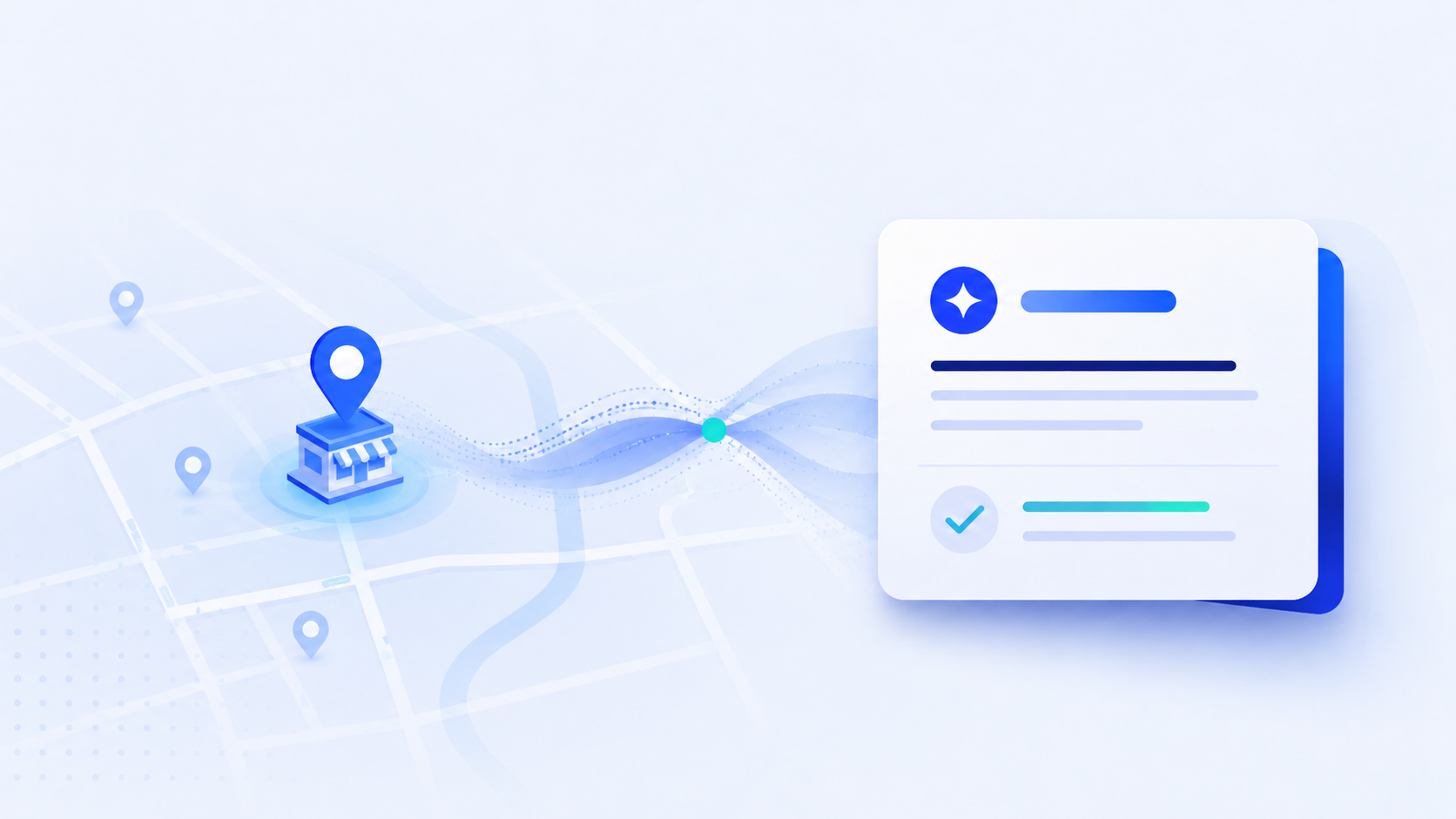
Digital businesses know a lot about what customers do. They can track website traffic, browsing behavior, abandoned carts, product recommendations, purchase history, mobile app engagement, and the path a customer takes from ad click to checkout. Every click becomes data. Every drop-off becomes a question. Every experiment becomes another signal.
Offline customer experience has never had the same level of visibility. A physical store, hotel lobby, restaurant floor, call center, venue, or field-service visit is full of customer signals, but most of them disappear as soon as the moment passes. A guest hesitates at check-in. A shopper cannot find an item. A server hears the same objection to a new menu. A retail associate watches foot traffic move past a display without stopping. Unless someone captures that context, the company sees only the downstream metric.
That is why offline industries are becoming the next data frontier.
The Digital World Has Clickstream Data. The Physical World Has Conversations.
Digital transformation gave companies detailed visibility into the online customer journey. Teams can see when someone opens a mobile app, compares products, responds to personalized offers, or starts a click-and-collect order. Omnichannel marketing teams can connect customer profiles, purchase history, and mobile experience data to build a more personalized journey.
The physical world works differently. A bricks-and-mortar store has movement, questions, confusion, emotion, line dynamics, staff judgment, and local context. Retail stores and restaurants can measure sales, tickets, loyalty participation, QR codes scanned, and BOPIS volume, but those signals rarely explain what customers were thinking in the moment.
For example, click-and-collect data may show pickup delays. It may not explain that customers cannot find the pickup area because signage is blocked during peak hours. A mobile app may show low redemption of personalized offers. It may not explain that associates are not mentioning the offer because the register prompt appears too late.
Offline insight lives in conversations with the people who saw the experience happen.
Why Online and Offline Customer Experience Data Feels Disconnected
Most companies have invested heavily in multichannel and omnichannel strategy. The customer can browse online, buy in a physical store, use mobile applications for loyalty, start a return through the app, and call support after the visit. On paper, the experience is connected.
In practice, online and offline customer experience data often sits in different systems. Digital teams see clicks. Store teams see shifts. Support teams hear complaints. CX teams see survey results. Marketing teams see campaign performance. Operations teams see labor, inventory, and throughput.
The result is a partial view. Customer engagement may look healthy in one channel while customer satisfaction is slipping in another. Customer retention may decline even though personalization looks strong online. A call center may hear the same issue repeatedly, but the physical location causing the issue may not see the pattern.
The next frontier is not collecting more disconnected data. It is connecting the digital trace to the physical explanation.
What Offline Customer Experience Intelligence Captures
Offline customer experience intelligence captures the context that traditional systems miss.
It captures what customers ask before they buy. It captures which instructions employees repeat all day. It captures which parts of the customer journey create confusion. It captures where customer profiles and loyalty data do not reach the person delivering the service. It captures when product recommendations make sense online but fail in the store because inventory, placement, or staff training does not support them.
Most importantly, it captures the “why.” Why are customers abandoning the line? Why are guests skipping the upsell? Why are personalized offers not being mentioned? Why is a mobile experience strong until the customer reaches the physical counter?
Those answers usually come from guests, customers, and frontline employees speaking in their own words.
Why Frontline Teams are the Offline Analytics Layer
Frontline teams are not just labor. They are the human sensors of the customer experience.
Associates observe foot traffic patterns. Servers know which menu descriptions create hesitation. Hotel staff know which requests are repeatedly missing from customer profiles. Field teams know which instructions customers misunderstand before an appointment. Call center agents know which offline breakdowns turn into support contacts.
When companies systematically capture those observations, they create a physical-world equivalent of clickstream data. It is not a literal click path. It is conversation intelligence: structured insight from the people closest to the customer.
This is especially valuable in service industries where the experience depends on timing, judgment, environment, and human interaction. A dashboard can show the result. The frontline can explain the moment.
What Leaders Can Do With Offline Intelligence
Offline intelligence changes how leaders make decisions.
For operations, it reveals where store processes, staffing, signage, or training create friction. For marketing, it shows whether omnichannel marketing promises match the reality of the location. For product and merchandising teams, it shows which offers, bundles, or product recommendations customers understand. For CX leaders, it connects customer satisfaction and customer retention to specific touchpoints.
It also helps teams act faster. Instead of waiting for online reviews, a quarterly survey, or a decline in repeat visits, leaders can hear early signals from the people experiencing the issue now.
How to Start Measuring Offline Customer Experience
Start with the moments that matter most: arrival, ordering, checkout, pickup, service recovery, support handoff, loyalty enrollment, and post-visit follow-up. For each moment, ask what the company can already measure and what remains invisible.
Then collect conversations from the people who can explain the invisible part. Customers can describe expectations and emotion. Employees can describe patterns, workarounds, and operational causes. Mystery shoppers can describe the full journey through a consistent lens.
Finally, connect the findings to existing metrics. If BOPIS delays are rising, ask what employees see at pickup. If mobile app adoption is strong but in-store conversion is weak, ask whether the mobile experience carries into the store. If repeat visits are declining, ask which parts of the offline customer journey are creating friction.
The Next Data Advantage is Real-World Understanding
The companies that win the next decade of customer experience will not be the ones with the most dashboards. They will be the ones that understand what is happening in the moments where customers actually decide whether to come back.
For offline industries, those moments happen in restaurants, hotels, retail aisles, service counters, venues, vehicles, and homes. They are messy, human, multilingual, and hard to instrument. That is exactly why they matter.
Arbor helps companies turn real-world conversations with customers and frontline teams into intelligence leaders can act on. If your organization is trying to connect digital signals with offline customer experience, reach out to Arbor to see how conversation intelligence can become your next data layer.
Related Resources: